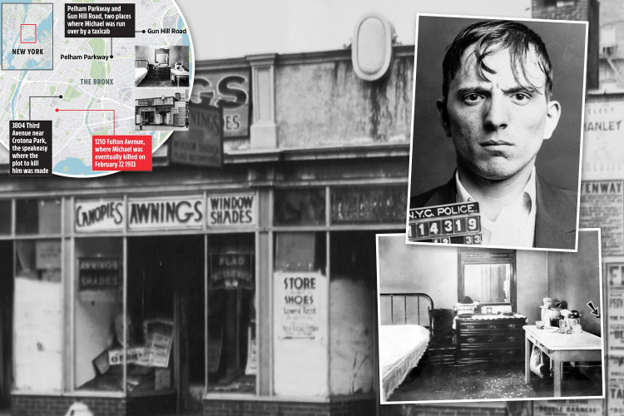
If you've ever heard someone say that cats have nine lives, you've clearly never heard of Michael Malloy.
Because cats, as it turns out, have nothing on this man.
This is the case that kicked off our return to Kush & Crime, and honestly, we couldn't have picked a better one. It's got a Prohibition-era speakeasy, a group of absolute idiots with a murder plot, wood alcohol, rotten sardines, a taxi, a gas pipe, and one incredibly stubborn Irishman who simply refused to cooperate with any of it.
Let's get into it.
New York City, 1932. The Setup.
It's the middle of Prohibition. It's also the beginning of the Great Depression. The government has banned alcohol, the economy has collapsed, and everyone is, to put it mildly, having a rough time.
Into this environment steps Tony Marino — owner of a speakeasy in the Bronx. For those who don't know, a speakeasy was essentially a hidden bar. Sometimes they had passwords. Sometimes the bar itself was concealed behind a bookcase or a cabinet. The whole operation existed because alcohol was illegal, which meant that if Tony's customers didn't pay their tab, he had exactly zero options for recourse. He couldn't exactly call the cops.
So business is bad. Tony is struggling. And one night he's complaining about it to two of his regulars — Francis Pasqua and Daniel Kriesberg — when Francis leans forward with the energy of a man who has definitely done something illegal before and says: I know a way you can make some money.
The Mabelle Carlson Playbook
What Francis proceeds to describe is, in retrospect, a preview of exactly how badly everything is about to go for everyone involved.
Some time before, Francis had befriended a homeless alcoholic woman named Mabelle Carlson. He'd convinced her to take out a life insurance policy on herself and name him as the beneficiary. Then he'd gotten her extremely drunk, soaked her and her mattress with water, and left her in front of an open window in the middle of winter. She died of pneumonia. Francis collected $2,000 — roughly $45,000 in today's money.
It was horrible. It worked. And now Francis was sitting in a speakeasy explaining it to his friends like it was a business opportunity, which, to be fair to the historical record, it technically was.
He looked around the bar. He spotted a familiar face. A homeless Irishman nursing a drink in the corner.
You know that guy? Francis said. Michael Malloy?
Yeah.
We should do it to him.
Meet Michael Malloy
Michael Malloy was born in Ireland in 1873. By 1932 he was living on the streets of the Bronx, working odd jobs that mostly just kept him in alcohol, and drinking at Tony Marino's speakeasy with the kind of dedication that would, ironically, turn out to be his greatest asset.
That's about all the personal history that exists on the man. He didn't leave much of a paper trail. What he did leave was a legacy — though not in any way anyone could have predicted at the time.
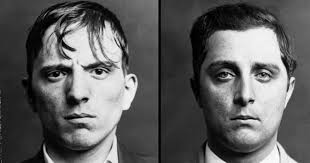
The Murder Trust — as the press would later call them — sized him up and saw an easy mark. Homeless. A drinker. No family to ask questions. The perfect target.
They were wrong about almost everything.
The Plan
Francis got to work. He recruited a bartender named Joseph Murphy and went around to multiple insurance companies, posing as a friend of one "Nicholas Mellory" — a fake name they'd invented for Malloy. Joseph was listed as Nicholas's brother and named as beneficiary.
By the time they were done, the Murder Trust had secured three separate life insurance policies on Michael Malloy — one for $800 and two for $495 each. Once all three were claimed, each member of the group stood to collect around $3,576 — roughly $55,000 today.
It took them five months to secure the policies. Then they got to work.
Phase One: The Open Bar
Their first plan was elegant in its simplicity. Michael Malloy loved to drink. So they gave him an open tab. Come in, drink whatever you want, it's on the house.
Michael Malloy said thank you very much and proceeded to drink like a man who had been waiting his entire life for this exact moment.
For three days straight he drank. And drank. And drank. And didn't die.
On day four, the Murder Trust upgraded their approach.
Phase Two: Wood Alcohol
If regular whiskey wasn't going to kill him, Joseph Murphy suggested switching to wood alcohol. Since Prohibition began, wood alcohol — also known as methanol — had killed approximately 50,000 people. It causes blindness. It causes organ failure. It kills.
They started Michael on his usual whiskey until he was comfortable, then switched him over to the wood alcohol without a word.
He kept drinking.
Days passed. Nothing happened. Until one afternoon Michael stood up from his barstool, swayed, and collapsed to the floor.
The Murder Trust gathered around him, barely containing their excitement.
Michael Malloy looked up at them, closed his eyes, and started snoring.
He woke up the next day and asked for another drink.
Phase Three: The Seafood Course
Clearly the liquid approach wasn't working. Time to try food.
They fed him oysters soaked in denatured alcohol — the kind of alcohol used in antifreeze and industrial solvents.
He ate them, washed them down with more wood alcohol, and didn't complain once.
They fed him rotten sardines mixed with carpet tacks and shards of metal.
He ate those too.
At this point the Murder Trust was losing money. The open bar tab alone was eating into their projected profits. They needed to escalate.
Phase Four: The Park
They went back to Francis's original playbook. Get him drunk. Take him outside. Let the cold finish the job.
On a freezing winter night they drove Michael Malloy — thoroughly unconscious — to Crotona Park in the Bronx. They stripped off his shirt, doused him with cold water, and left him on the ground in below-freezing temperatures.
They drove home confident that this was finally it.
The next morning Tony Marino arrived at his bar to find Michael Malloy standing outside in a brand new outfit, slightly confused but perfectly alive.
The police had found him in the park shortly after the Murder Trust left and taken him somewhere warm.
He didn't even have frostbite.
Phase Five: The Taxi
At this point the Murder Trust brought in a new member — a man named Harry Green, who drove a taxi. They offered him $150 (about $3,500 today) to run Michael Malloy over with his cab.
Harry agreed. They got Michael drunk — which at this point required very little effort — and walked him out into the street. Harry drove at them. All three men scattered, including Michael. Harry came around a second time. They scattered again. On the third pass Harry hit him directly with the cab.
They left him in the street and went home.
The next day they started calling hospitals asking if anyone had been brought in from a fatal hit-and-run the previous night.
Nobody matching that description had come in.
Five days later — five days — Michael Malloy walked back into the bar and said he could sure use a drink.
He didn't remember a thing about that night. He had a limp. That was it.
The Plan
Francis got to work. He recruited a bartender named Joseph Murphy and went around to multiple insurance companies, posing as a friend of one "Nicholas Mellory" — a fake name they'd invented for Malloy. Joseph was listed as Nicholas's brother and named as beneficiary.
By the time they were done, the Murder Trust had secured three separate life insurance policies on Michael Malloy — one for $800 and two for $495 each. Once all three were claimed, each member of the group stood to collect around $3,576 — roughly $55,000 today.
It took them five months to secure the policies. Then they got to work.
Phase One: The Open Bar
Their first plan was elegant in its simplicity. Michael Malloy loved to drink. So they gave him an open tab. Come in, drink whatever you want, it's on the house.
Michael Malloy said thank you very much and proceeded to drink like a man who had been waiting his entire life for this exact moment.
For three days straight he drank. And drank. And drank. And didn't die.
On day four, the Murder Trust upgraded their approach.
Phase Two: Wood Alcohol
If regular whiskey wasn't going to kill him, Joseph Murphy suggested switching to wood alcohol. Since Prohibition began, wood alcohol — also known as methanol — had killed approximately 50,000 people. It causes blindness. It causes organ failure. It kills.
They started Michael on his usual whiskey until he was comfortable, then switched him over to the wood alcohol without a word.
He kept drinking.
Days passed. Nothing happened. Until one afternoon Michael stood up from his barstool, swayed, and collapsed to the floor.
The Murder Trust gathered around him, barely containing their excitement.
Michael Malloy looked up at them, closed his eyes, and started snoring.
He woke up the next day and asked for another drink.
Phase Three: The Seafood Course
Clearly the liquid approach wasn't working. Time to try food.
They fed him oysters soaked in denatured alcohol — the kind of alcohol used in antifreeze and industrial solvents.
He ate them, washed them down with more wood alcohol, and didn't complain once.
They fed him rotten sardines mixed with carpet tacks and shards of metal.
He ate those too.
At this point the Murder Trust was losing money. The open bar tab alone was eating into their projected profits. They needed to escalate.
Phase Four: The Park
They went back to Francis's original playbook. Get him drunk. Take him outside. Let the cold finish the job.
On a freezing winter night they drove Michael Malloy — thoroughly unconscious — to Crotona Park in the Bronx. They stripped off his shirt, doused him with cold water, and left him on the ground in below-freezing temperatures.
They drove home confident that this was finally it.
The next morning Tony Marino arrived at his bar to find Michael Malloy standing outside in a brand new outfit, slightly confused but perfectly alive.
The police had found him in the park shortly after the Murder Trust left and taken him somewhere warm.
He didn't even have frostbite.
Phase Five: The Taxi
At this point the Murder Trust brought in a new member — a man named Harry Green, who drove a taxi. They offered him $150 (about $3,500 today) to run Michael Malloy over with his cab.
Harry agreed. They got Michael drunk — which at this point required very little effort — and walked him out into the street. Harry drove at them. All three men scattered, including Michael. Harry came around a second time. They scattered again. On the third pass Harry hit him directly with the cab.
They left him in the street and went home.
The next day they started calling hospitals asking if anyone had been brought in from a fatal hit-and-run the previous night.
Nobody matching that description had come in.
Five days later — five days — Michael Malloy walked back into the bar and said he could sure use a drink.
He didn't remember a thing about that night. He had a limp. That was it.
The End of the Road
On February 21st, 1933, the Murder Trust finally abandoned any pretense of subtlety.
They rented a room with a gas lighting fixture. They got Michael Malloy drunk one final time. They held him down, attached a rubber tube to the gas fixture, and held the other end in his mouth until he was gone.
After five months of insurance fraud, an open bar tab, wood alcohol, rotten sardines with metal shards, a freezing night in Crotona Park, and a direct hit from a taxicab — it took a gas pipe to finally do it.
The Unraveling
Francis called in a favor from a doctor friend named Frank Manzella, who signed a fake death certificate identifying Michael as "Nicholas Mellory" and listing the cause of death as lobar pneumonia.
The Murder Trust claimed one of the insurance policies without issue. But when they went to claim the other two — held by Prudential — the company asked to see the body.
The body had already been buried.
An investigation began. And when investigators got to Harry Green and Frank Manzella, both men started talking immediately. By the time the dominoes finished falling, the entire Murder Trust was in custody.
All of them were found guilty of the murder of Michael Malloy. All of them were sentenced to death. They were executed in the electric chair at Sing Sing Prison.
So What Do We Do With This?
Michael Malloy was a homeless Irishman with no family, no money, and no idea that five people had spent the better part of a year trying to kill him for insurance money. He wasn't famous. He wasn't powerful. He was, by every measure, someone the world had already decided didn't matter very much.
And yet.
He survived wood alcohol that had killed 50,000 people. He survived rotten sardines stuffed with metal shards. He survived a winter night half-naked in a Bronx park. He survived getting hit by a taxi. Three times.
The universe kept putting up signs and the Murder Trust kept ignoring them. Which is ultimately what got them the electric chair.
We'd say justice was served — and we mean that — but we also think Michael Malloy deserved better than the story he got. He deserved to be more than a footnote in a murder case. So here's his footnote, at least. Slightly longer than most.
This is why we do this.
Michael Malloy: The Man Who Refused to Die